
Where is Amed?
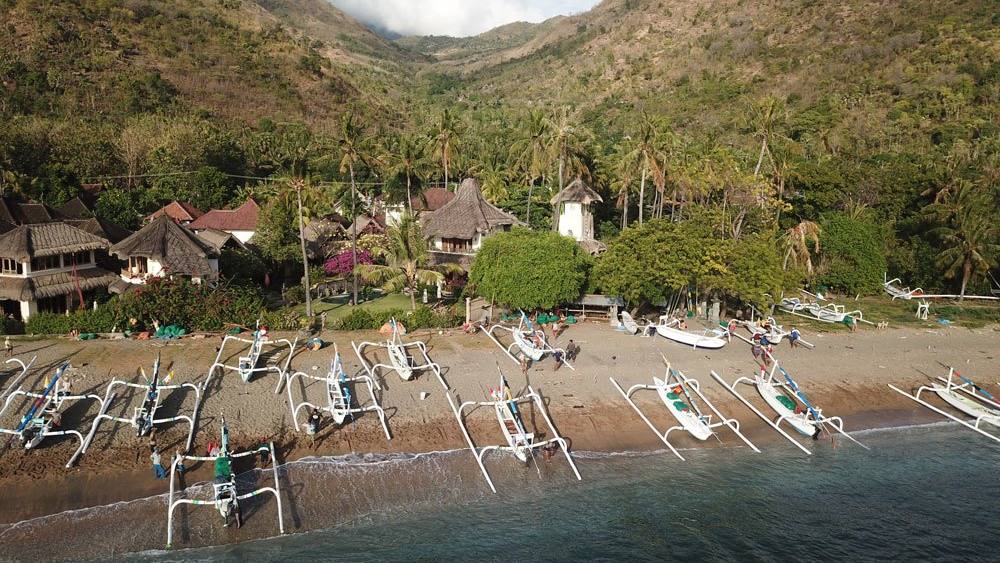
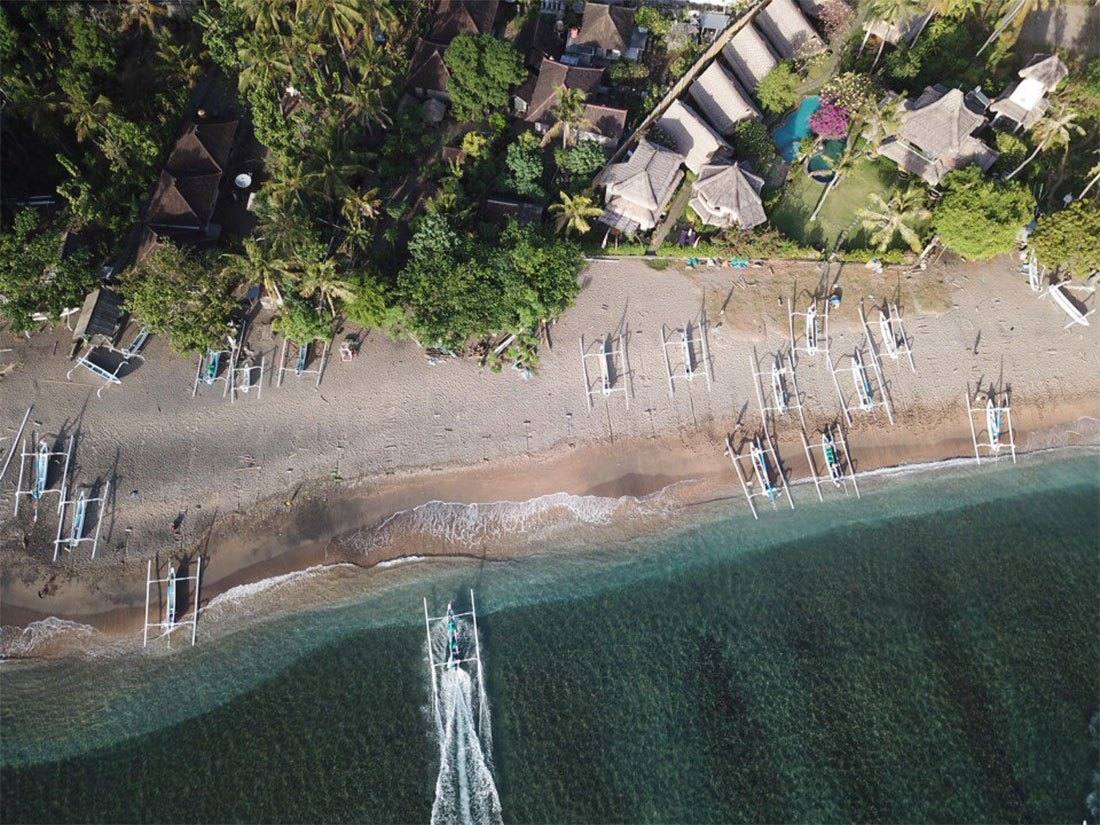
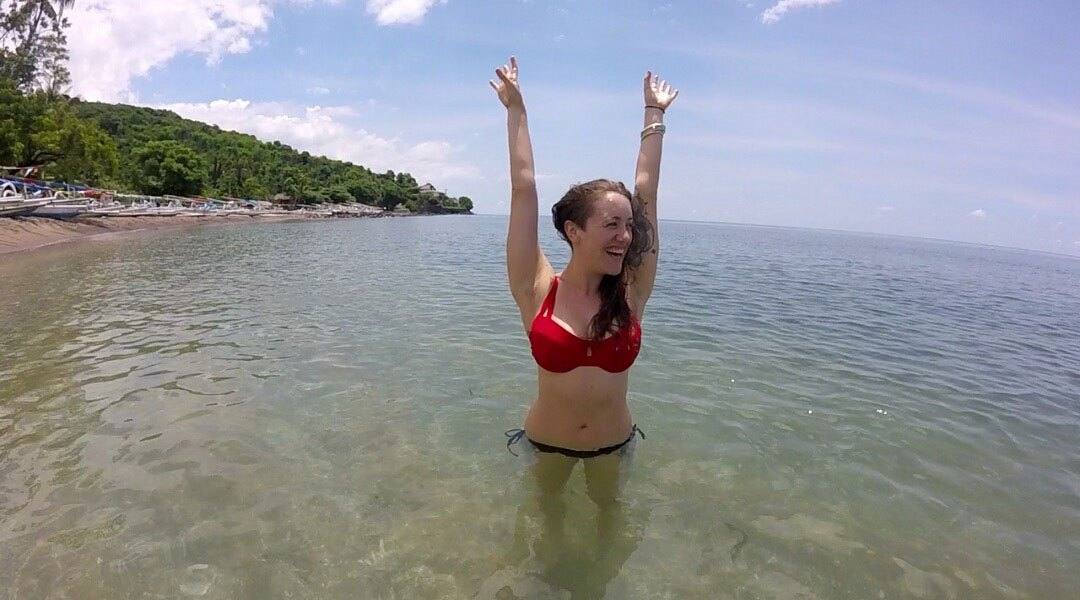
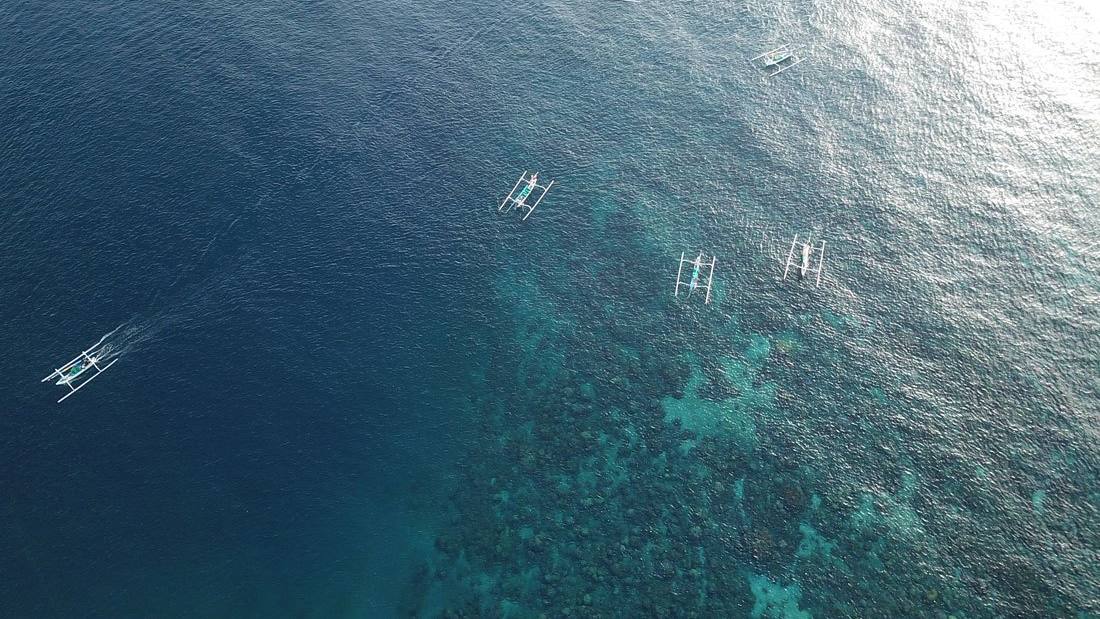
Amed is the name given to a 14-kilometre string of fishing villages along Bali’s north-east coast, in the regency of Karangasem: Amed, Jemeluk, Bunutan, Lipah, Lean, Selang and beyond. Volcanic hills drop to the sea in a series of bays, each with its own beach, reef and jukung outrigger boats.
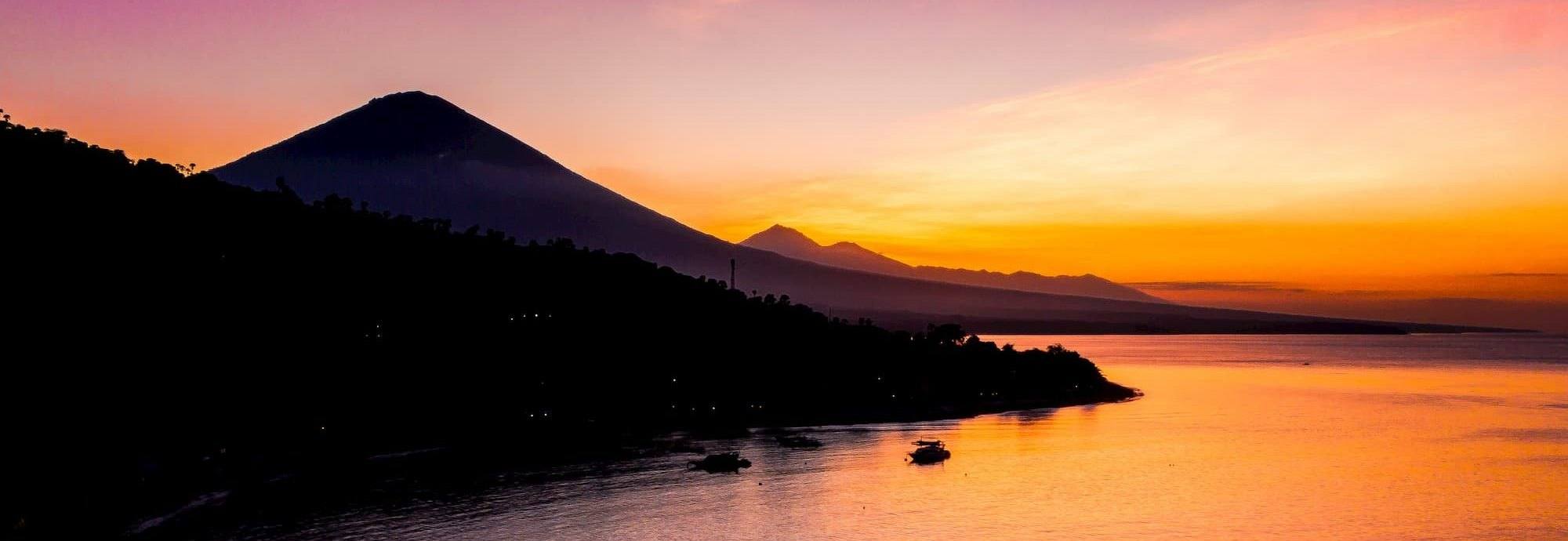
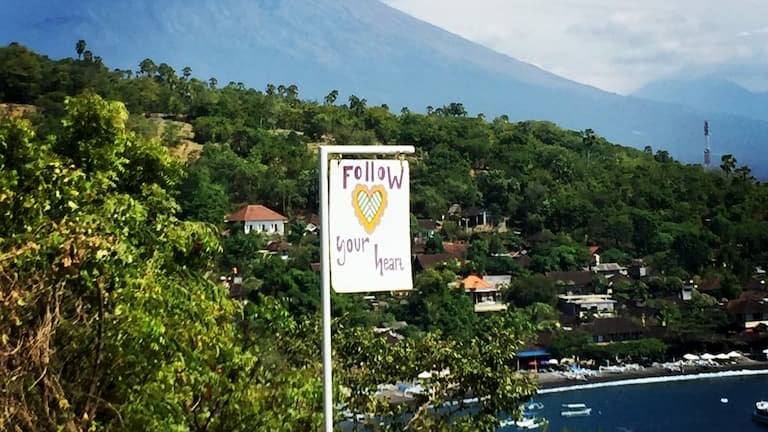
Life in Amed is in Lean, towards the southern end of the coast, on one of the few flat, sandy beaches. Behind us rises Mount Agung, Bali’s highest and holiest volcano; across the strait, Lombok and Mount Rinjani fill the eastern horizon.
How to get to Amed
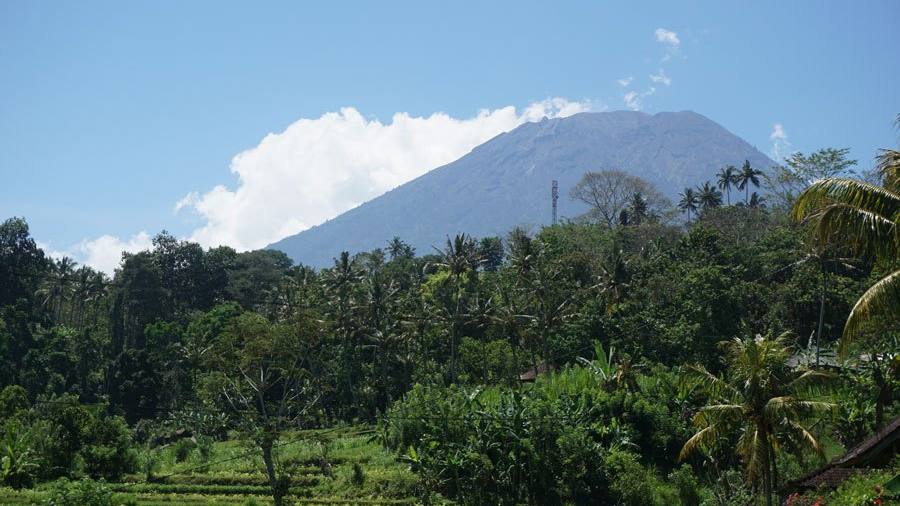
Amed is about 2.5 hours by car from Ngurah Rai International Airport (DPS), on a scenic road through rice fields and villages in the shadow of Mount Agung. Our drivers can collect you from the airport or anywhere on the island. Just ask when you book.
From Ubud the drive takes about two hours. Fast boats also connect Amed with the Gili Islands and Lombok. Once on the coast road, follow our “Follow Your Heart” signs to the hotel.
Snorkelling in Amed
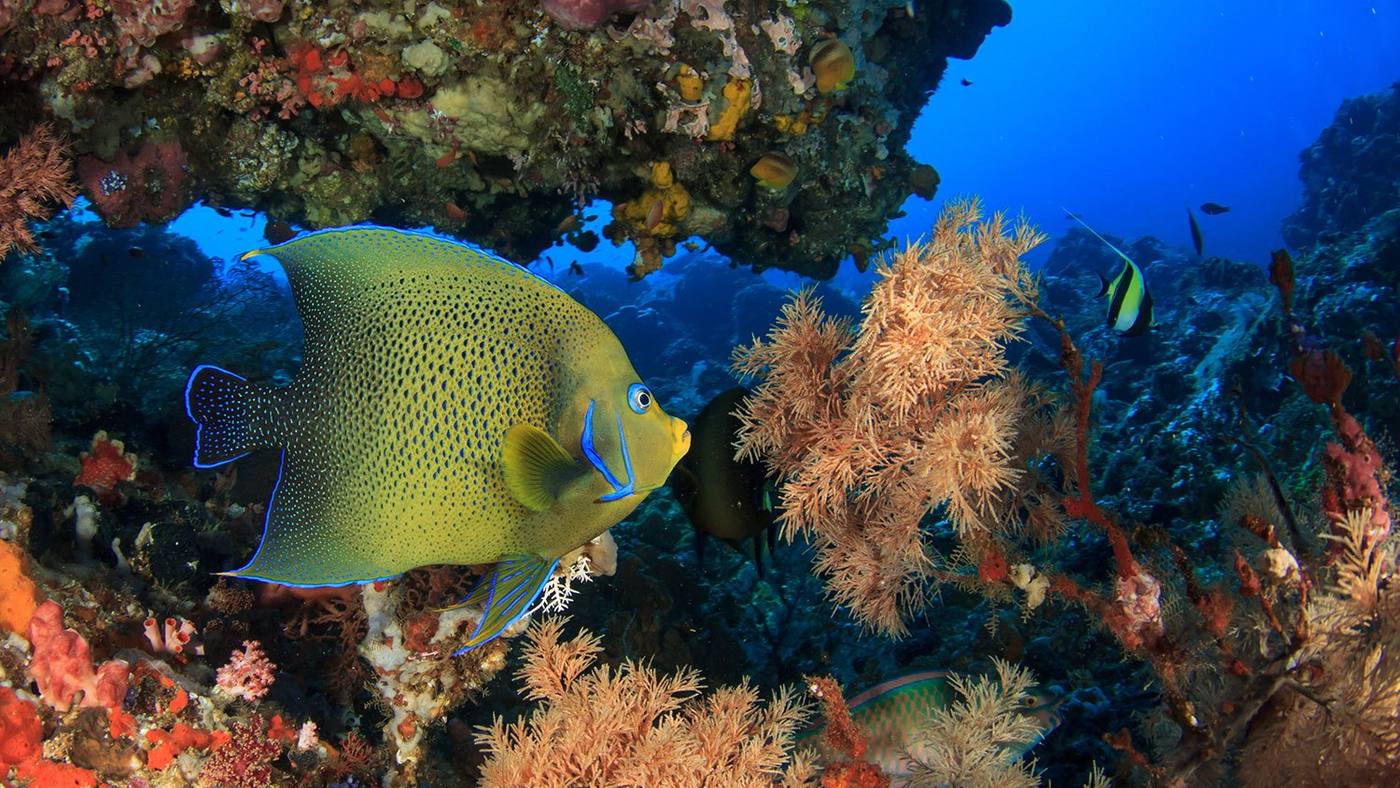
You do not need a boat: the reef starts right in front of the hotel. A short swim from the beach brings you over large coral formations with angelfish, bannerfish, giant wrasse and orange-lined triggerfish. Snorkel gear can be rented for about US$4 a day.
For a change of scene, take a ride on a jukung boat to the Japanese shipwreck near Banyuning, a shallow wreck covered in coral that is perfect for snorkellers, or to Jemeluk Bay, Amed’s best-known snorkelling spot.
Diving and freediving
Amed is one of Bali’s top dive destinations, for beginners and experienced divers alike. The world-famous USAT Liberty wreck at Tulamben lies a short drive up the coast, and the sites around Amed range from coral gardens to walls and drop-offs.
We work with one of the longest-established dive centres in Amed. They pick you up at the hotel in the morning and bring you back in the early afternoon, in time for an evening yoga class. Amed is also a renowned place to learn freediving.
Temples and water palaces
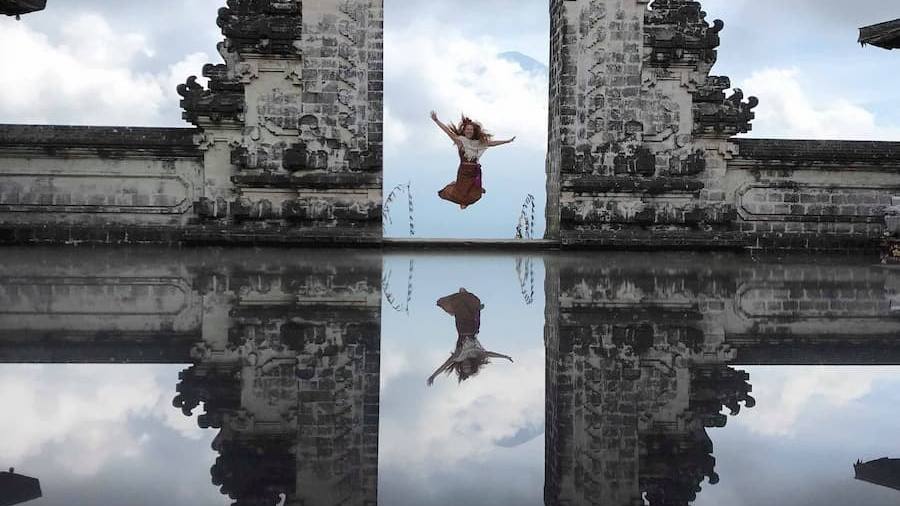
Pura Lempuyang, with its famous “Gates of Heaven” framing Mount Agung, is one of Bali’s oldest and most sacred temples and within easy reach of Amed. Go early to beat the queues.
Tirta Gangga, the former royal water palace of Karangasem, is a peaceful garden of pools, fountains and stepping stones among the rice fields. Both make a perfect half-day trip; we are happy to arrange a driver.
Mount Agung, rice terraces and hikes
Walk left from the hotel in the morning or late afternoon for village life and beautiful views of the cliffs. Hikers can go up and over the hills with a local guide.
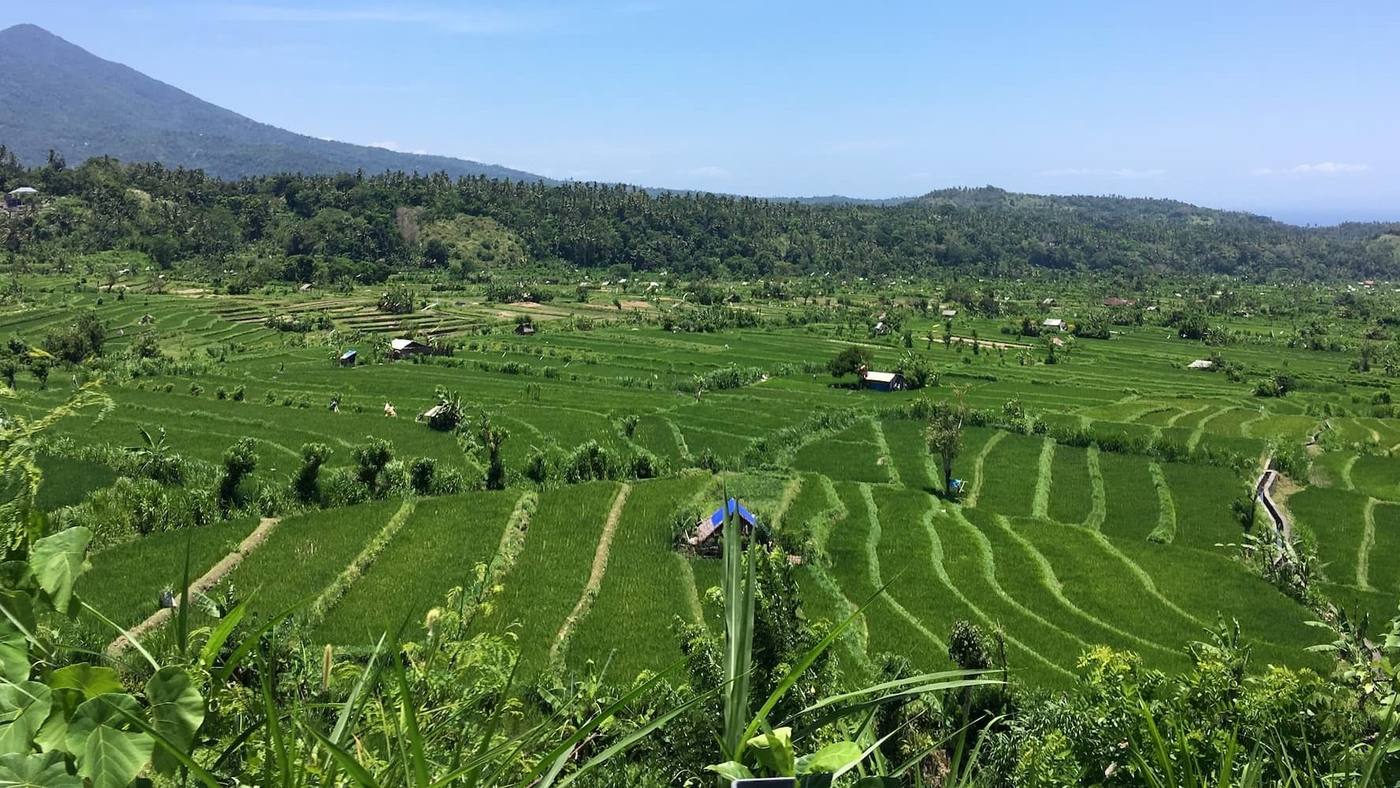
By scooter or car, the roads over the mountain lead to rice terraces, villages where tapioca dries on the rocks, holy springs and sweeping views of Mount Agung. Or simply cruise the coast road, one of the most spectacular in Bali.
Village life and ceremonies
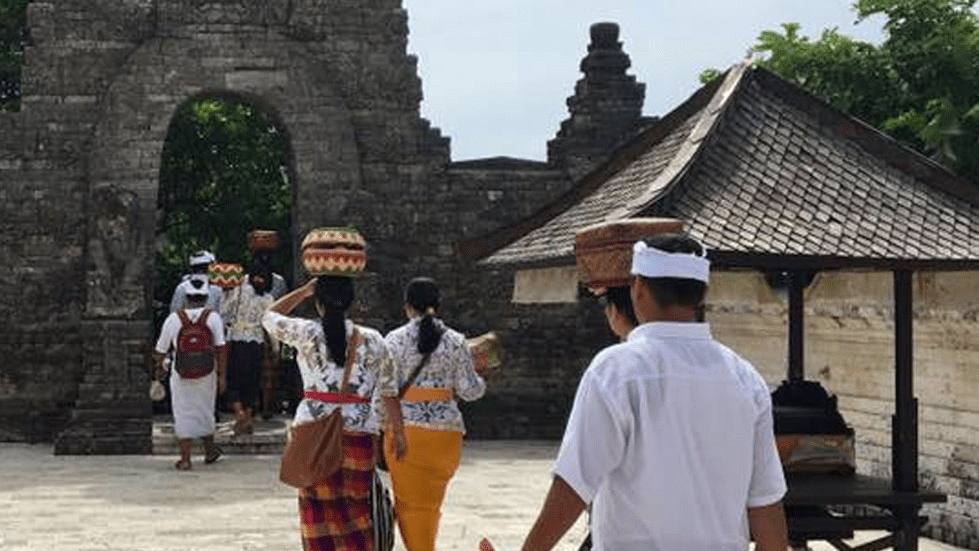
Life in Amed sits in the heart of a fishing village where daily life has not changed for decades. People are warm and welcoming, and the village comes together for its many ceremonies: a three-month-old baby’s blessing, a wedding, a cremation or the blessing of a boat or temple.
Ceremonies can be noisy when they happen close to the hotel, but they are also fascinating to witness. Our team sometimes invites guests, and our Life sarongs are there for you to wear. It is this everyday Balinese life that makes Amed so special.
When to visit Amed
Amed is drier and sunnier than much of Bali all year round. The dry season, roughly April to October, brings the calmest seas and the best visibility for snorkelling and diving. The rainy months usually mean short showers rather than whole days of rain, fewer visitors and a green landscape.
High season is July–August and the Christmas–New Year period, when we recommend booking early.
Getting around
Our staff can rent you a scooter (please wear a helmet and have travel insurance) or arrange a driver for day trips. It is easy to walk to the next village, and some restaurants will pick you up.
There is no cash machine in every village, so bring some rupiah. You can change money in the next village or in larger towns. We accept rupiah, US dollars and euros.